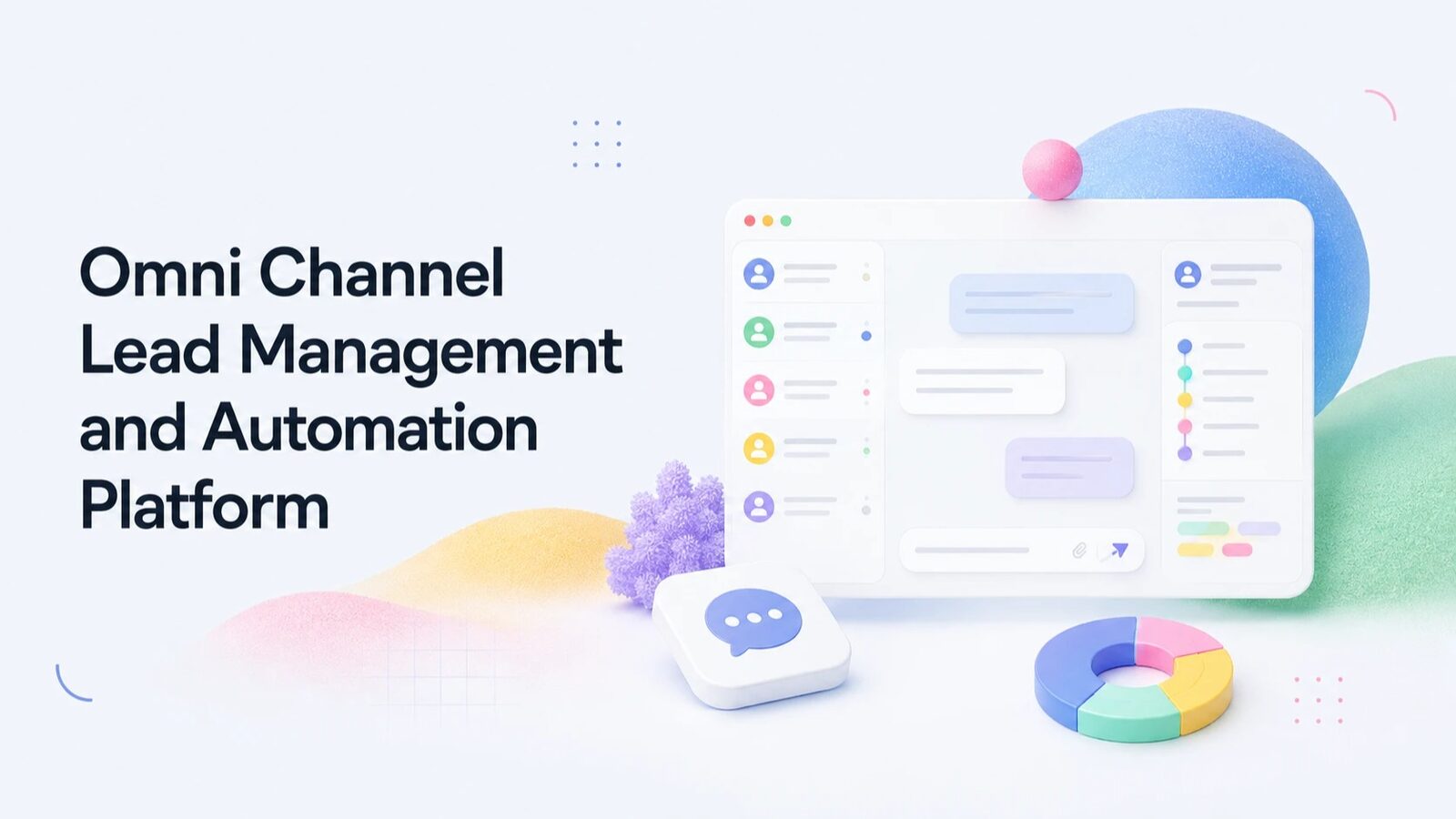
Omnichannel Lead Management Platform
A multi-channel messaging platform that automates customer answers and manages sales leads.
Self-hosted, privacy-first task & lab resource orchestrator with localized AI summaries.
Orchestrix is a self-hostable, privacy-first project management and resource orchestration platform designed for academic research environments. It eliminates spreadsheet-based lab equipment double-bookings, protects sensitive pre-publication IP using AES-256 encryption and schema-per-tenant isolation, and integrates a localized AI Context Engine to automatically summarize meeting notes and extract task action items without third-party data leaks.
Academic research groups face severe administrative bottlenecks and data vulnerability risks. Teams traditionally manage expensive shared laboratory assets (high-performance workstations, specialized sensors, GPU clusters, and testing rooms) using messy, fragmented spreadsheets, leading to frequent double-bookings and idle hardware. Furthermore, researchers frequently coordinate sensitive, pre-publication research over public cloud collaboration tools (like Slack or Trello), exposing proprietary intellectual property to third-party data breaches and AI model training scrapers.
Orchestrix solves this by providing a containerized Private SaaS platform deployed directly on isolated local lab infrastructure. Built on a decoupled polyglot microservices architecture (Spring Boot Core API, Python LangChain AI Engine, Node.js/Spring WebSockets, and PostgreSQL), it unifies interactive Kanban task tracking, real-time encrypted project chat, and an atomic database-locking algorithm for conflict-free lab resource scheduling. A localized background AI Context Engine automatically converts chat threads and meeting minutes into structured action items and suggested deadlines without transmitting data to external public AI APIs.
System Architecture & Design Methodology: Orchestrix is engineered across four distinct layers to ensure fault tolerance, strict data isolation, and low-latency interaction:
1. Presentation Layer: Built with React.js (Web Dashboard) and React Native (Mobile Companion), delivering intuitive Kanban boards, resource scheduling calendars, and rich-text collaborative editors.
2. Application Services Layer: Spring Boot microservices managing JWT-based authentication, Role-Based Access Control (RBAC across Institute Admins, PIs, Researchers, and Resource Managers), and dynamic schema-per-tenant database routing.
3. AI Context Service Layer: An independent Python/FastAPI service utilizing LangChain to parse natural language project communications in the background using localized models.
4. Persistence Layer: Single-tenant PostgreSQL database containerized via Docker, utilizing isolated PostgreSQL schemas per research organization (org_{slug}) to guarantee physical and logical data sovereignty.
Key Technical Achievements & Challenges Solved:
• Atomic Resource-Locking Algorithm: Prevents race conditions and overlapping equipment reservations during concurrent booking attempts by enforcing database-level transaction locks.
• Zero-Leak Multi-Tenancy: Custom Hibernate TenantIdentifierResolver and SchemaMultiTenantConnectionProvider dynamically set PostgreSQL search paths per request, ensuring zero cross-tenant data leakage.
• Privacy-Preserving AI Engine: Operates completely on local hardware, processing project documentation and chat threads to extract action items without risking IP exposure to commercial LLM APIs.
• Self-Hostable Packaging: Fully containerized with Docker Compose for single-command deployment on laboratory servers, requiring minimal sysadmin overhead.
Future Work: Planned enhancements include push notification services for mobile devices, MinIO integration for large experimental dataset uploads, and financial grant budget tracking modules.

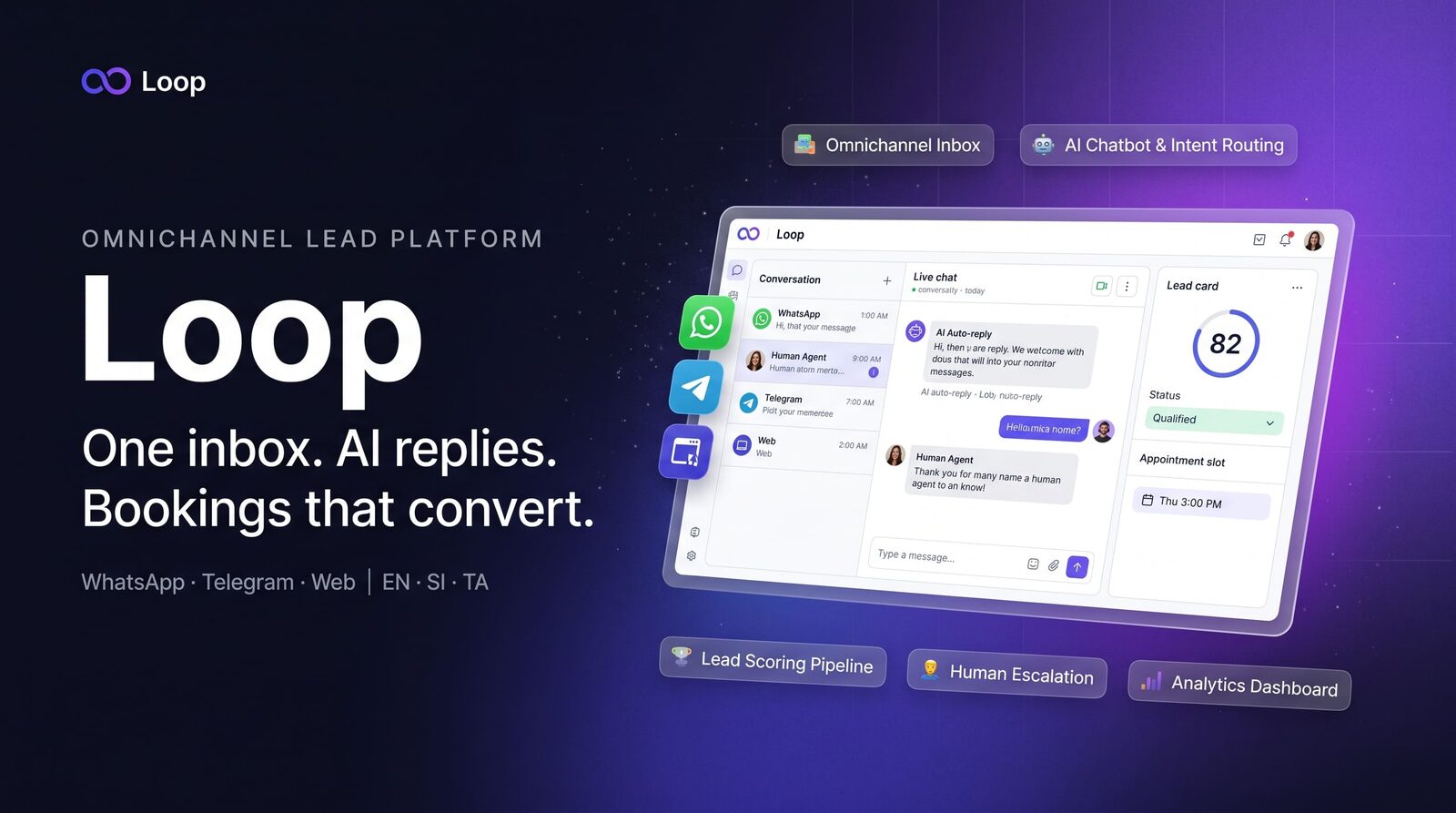
A multi-channel messaging platform that automates customer answers and manages sales leads.
Unify WhatsApp, Telegram and web chat into one AI-routed inbox for small businesses.